Ceramic vs. Porcelain: Which One for Your Kitchen?
Porcelain is technically a subtype of ceramic tile, but the difference matters in a kitchen.
Standard Ceramic Tile
- Pros: budget-friendly ($2–7/sq ft material), huge color and pattern range, easy to cut — faster, cheaper installation.
- Cons: more porous (0.5–3%+ water absorption); a chip through the glaze shows the lighter clay body beneath.
- Best for: backsplashes, walls, and low-to-moderate traffic kitchens on a budget.
Porcelain Tile
- Pros: fired hotter from finer clay, absorbs 0.5% water or less; harder (Mohs 7–8); through-body versions hide chips because the color runs all the way through.
- Cons: costs more ($3–10+/sq ft), harder to cut — installers charge $1–3/sq ft more in labor.
- Best for: busy family kitchens, open-plan spaces that connect to entries or patios, large-format floors, and any kitchen where water exposure is a daily event.
The practical verdict: for backsplashes, quality glazed ceramic is perfect and saves money. For floors in active kitchens, porcelain rated PEI 4+ is the safer long-term investment. Domina Material can supply both ceramic and porcelain kitchen tiles for your project — and we’ll tell you honestly which areas of your kitchen genuinely need the upgrade and which don’t.
The 5 Technical Specs That Actually Matter
Forget marketing names. These five numbers on the spec sheet decide how your kitchen floor performs.
1. PEI Rating (Abrasion Resistance)
The Porcelain Enamel Institute scale (1–5) measures how well a glazed surface resists wear:
- PEI 1–2: walls only — never a kitchen floor.
- PEI 3: minimum for residential kitchen floors; fine for moderate traffic.
- PEI 4: the sweet spot for busy households with kids, pets, and daily cooking.
- PEI 5: heavy commercial; overkill for most homes, but bulletproof.
2. Water Absorption
Porcelain’s ≤0.5% absorption means spills can’t penetrate the tile body. Standard ceramic at 3%+ relies entirely on its glaze and intact grout lines. For the wet zones around sinks and dishwashers, low absorption is real insurance.
3. Slip Resistance (DCOF / R-Rating)
Kitchens are the second most common room for household slip injuries. Look for:
- DCOF ≥ 0.42 (the ANSI standard for interior floors that get wet) — matte and textured tiles typically achieve 0.50–0.60.
- R10 or higher on the European ramp scale (R11 if elderly family members use the kitchen).
High-gloss polished tiles often fall below 0.42 when wet — beautiful, but keep them on the wall.
4. Finish
- Matte / textured: best grip, hides water spots and crumbs — the professional default for kitchen floors.
- Satin / lappato: a soft sheen with acceptable traction — a good compromise.
- Glossy: backsplashes and walls only.
5. Glazed vs. Through-Body
A deep scratch on glazed ceramic exposes a light-colored body underneath — permanent and visible. Through-body porcelain carries color all the way through, so chips blend in. For a hardworking kitchen floor, through-body is worth the premium.
Size, Layout, and Grout: The Details That Make or Break the Look
Tile Size
- Small kitchens (under 100 sq ft): 12×12 or smaller keeps proportions right.
- Standard kitchens: 12×24 and 16×16 are the modern workhorses.
- Large / open-plan kitchens: 24×24 and larger formats mean fewer grout lines, a seamless look, and less cleaning — but demand a very flat subfloor.
Remember the waste factor: order 10–15% extra over your measured area (up to 20% for diagonal or herringbone layouts), and keep a spare box for future repairs — dye lots vary between batches.
Layout Patterns
Straight lay is clean and economical; offset (running bond) suits rectangular planks; herringbone and chevron add custom character but raise cutting waste and labor. Diagonal layouts make narrow galley kitchens feel wider.
Grout: The Most Ignored Decision
- Type: epoxy grout costs roughly double but is nearly stain-proof, waterproof, and never needs sealing — in a kitchen it often pays for itself within two years.
- Color: medium gray or greige hides kitchen spills best; bright white grout shows every stain.
- Joint width: keep kitchen floor joints between 1/16″ and 1/8″ — wider joints collect grease
Color and Style: Coordinating With Your Kitchen
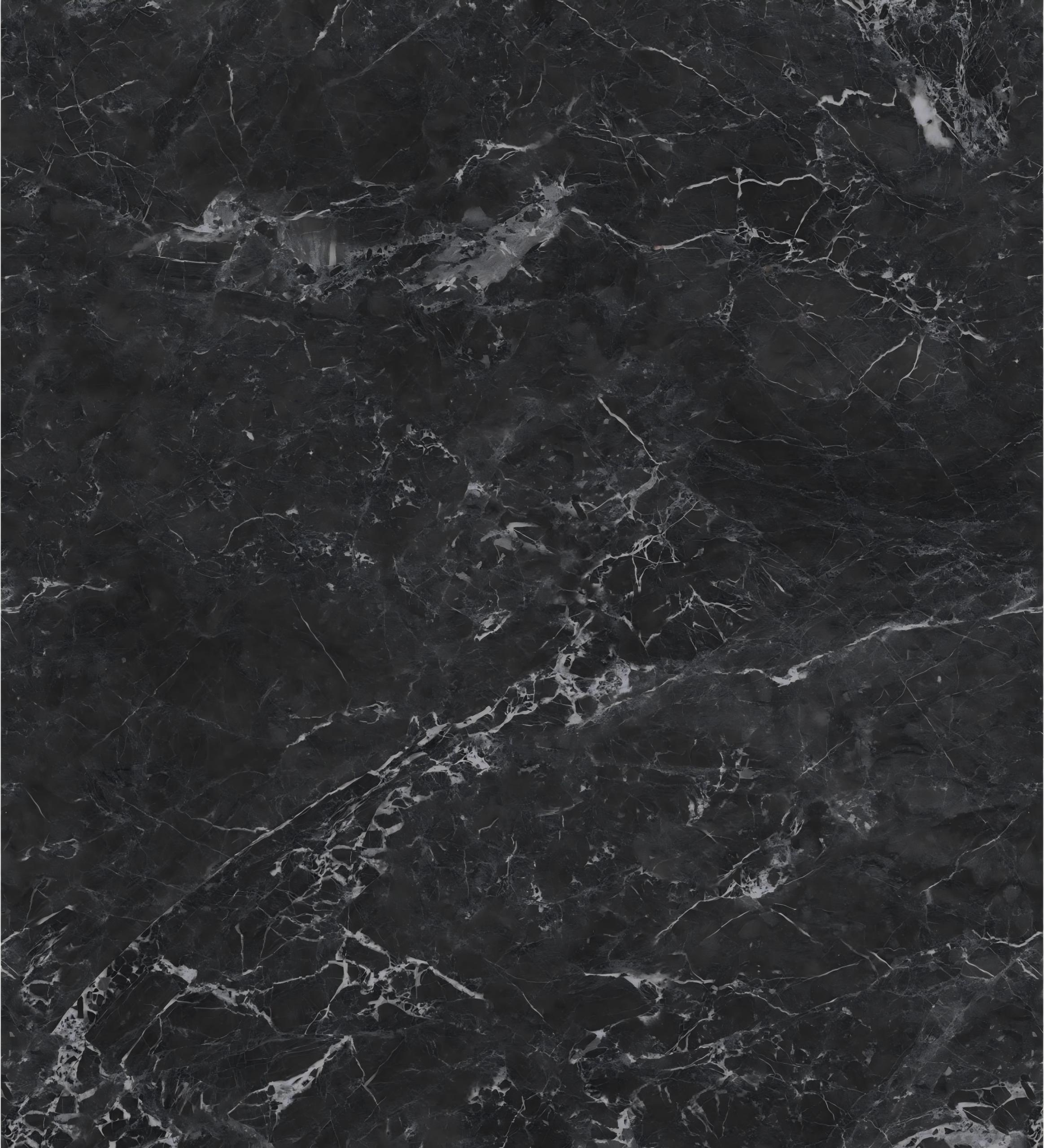
Light neutrals (white, beige, light gray) make compact kitchens feel bigger and brighter. Warm tones hide crumbs and footprints between cleanings. Wood-look and stone-look porcelain deliver natural warmth with zero sealing — currently the most popular kitchen floor category worldwide. Whatever you choose, bring the largest sample home and look at it in your kitchen’s actual light, morning and evening, before committing.
Not sure which look fits your cabinets and countertops? Send Domina Material a photo of your kitchen — our team will recommend coordinated tile options with real product photos within 24 hours, free of charge.
Budget: What a Kitchen Tile Project Really Costs
Material is only part of the total. Typical installed costs:
- Ceramic floor: $5–13/sq ft installed (a 200 sq ft kitchen ≈ $1,000–2,600).
- Porcelain floor: $8–22/sq ft installed (200 sq ft ≈ $1,600–4,400).
- Backsplash: add material plus $10–25/sq ft labor depending on format and pattern.
- Extras: epoxy grout, underlayment or backer board, sealer, and 10–15% waste allowance.
Factory-direct sourcing changes this math significantly. Domina Material supplies kitchen tiles at quarry-and-kiln-direct pricing, typically 20–30% below local retail — with the same PEI ratings, absorption specs, and certifications documented for every batch.
5 Common Kitchen Tile Mistakes to Avoid
Buying wall tile for the floor — check the PEI rating on the box, not the beauty of the sample.
Choosing polished floors — a DCOF below 0.42 is a slip hazard waiting for the first spilled sauce.
White cement grout on a kitchen floor — stained within months; choose epoxy or sealed mid-tone grout.
Ordering the exact measured area — always add 10–15% waste, and never mix dye lots mid-project.
Skipping the subfloor check — large-format tile over an uneven subfloor means lippage and cracked tiles within a year.
Why Source Your Kitchen Tiles From Domina Material?
- Factory-direct pricing — 20–30% below local retail, no middlemen.
- Complete range — ceramic and porcelain, floor and wall, mosaics to 24×48 large formats, plus matching natural stone.
- Documented specs — PEI rating, water absorption, DCOF, and inspection reports provided for every product.
- Quality control — every order checked, photographed, and video-verified before packing; consistent dye lots guaranteed across your whole project.
- Global export experience — export-grade wooden crate packing, sea freight to 100+ ports, full documentation.
- Free selection consultation — send your kitchen dimensions, photos, and style preferences; receive a tailored recommendation and itemized quotation within 24 hours.
Get Your Free Kitchen Tile Consultation
Still comparing samples? The fastest way to choose the right ceramic tile for your kitchen is to ask a supplier who handles every type daily. Contact Domina Material today — share your kitchen size, traffic level, style preference, and budget, and our tile experts will reply within 24 hours with a personalized recommendation, product photos, and a detailed quotation. Your ideal kitchen floor is one message away.